
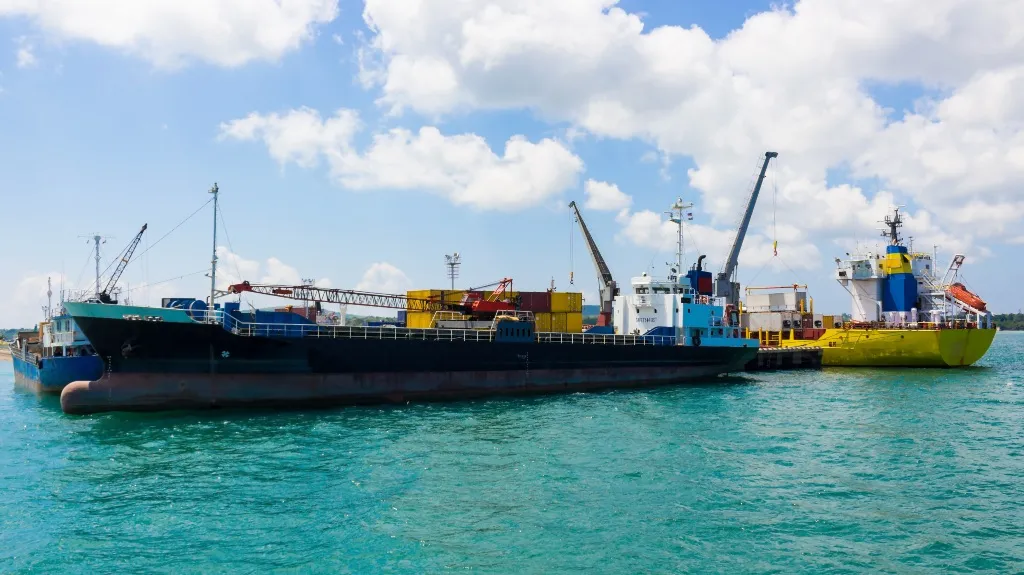
The Texas Ship Channel is incredibly busy with dredging vessels and other ship traffic. Dredging crews are working for Galveston to Houston to keep safe depths for vessel traffic. When workers are hurt while doing dredging work, they may wonder who is responsible for their injuries. Maritime law usually controls in these cases, but knowing where your right to compensation comes from is critical to protecting your rights.
At Griffin Law Group, LLC, our dedicated Texas maritime and personal injury attorneys are here to help you pursue the monetary compensation you’re owed. Schedule a meeting today to learn more about how we can help.
Why Dredging Work Falls Under Maritime Law
Most dredging operations are subject to maritime law. Vessels in the Texas Ship Channel are navigating vessels, such as:
- Cutter suction dredges
- Hopper dredges
- Clamshell dredges
- Survey boats
- Tugboats
- Material barges
- Other vessels
Because they are working on navigable waters, most workers on the vessels qualify as “seamen” under the Jones Act.
To be considered a seaman, a worker must:
- Spend a substantial amount of time (generally 30% or more) working aboard a vessel, and
- Contribute to the vessel’s mission or function.
Dredging workers almost always meet both requirements.
Common Causes of Dredging Accidents in the Texas Ship Channel
The Ship Channel’s unique environment creates a perfect storm of hazards. Accidents often involve:
- Equipment failures
- Slip and fall hazards
- Collisions
- Improper training or understaffing during high-pressure operations
- Falling objects from dredge booms or crane operations
- Electrical hazards near pumps and power systems
- Fatigue from long shifts and overnight operations
- Poor communication between dredges and support vessels
Who’s Liable Under Maritime Law?
Liability in dredging accidents depends on the circumstances, but several parties may be responsible.
1. The Employer (Jones Act Negligence)
Under the Jones Act, employers must provide a reasonably safe workplace. They can be liable if:
- Equipment was not properly maintained
- Crew members were not adequately trained
- Safety procedures were ignored
- The vessel was understaffed
- Work conditions were unsafe
2. The Vessel Owner (Unseaworthiness)
The vessel has to be reasonably fit for its intended use. The vessel you worked on might be considered unseaworthy if:
- Machinery is defective
- Crew members are inexperienced
- Crew members are improperly trained
- Work areas are hazardous
- The vessel lacks necessary safety equipment
Unseaworthiness claims allow injured workers to recover additional damages beyond maintenance and cure.
3. Third Parties (Maritime Negligence)
In the Texas Ship Channel, multiple companies often operate very closely together. Third parties may be liable if:
- A passing vessel caused a collision
- A contractor created unsafe conditions
- A barge operator failed to follow navigation rules
- A shoreside company provided defective equipment
What Compensation Is Available?
Injured dredging workers may be entitled to:
- Maintenance and cure (daily living expenses and medical care)
- Lost wages and future earning capacity
- Medical expenses
- Pain and suffering
- Disability or disfigurement damages
- Loss of enjoyment of life
If the accident results in death, surviving family members may pursue wrongful death and survival claims under maritime law.
Why Texas Ship Channel Dredging Is Especially Dangerous
The Ship Channel presents unique risks:
- Heavy petrochemical traffic
- Narrow navigation lanes
- Fast-changing weather and tidal conditions
- High-pressure schedules driven by port demands
- Constant interaction between dredges, barges, and tugboats
Protecting Your Rights After a Dredging Accident
If you’re injured in a Texas Ship Channel dredging accident, take these steps:
- Report the injury immediately
- Seek medical treatment from a doctor you choose
- Avoid signing company statements or forms
- Document everything
- Speak with a maritime injury attorney as soon as possible

Get Help After a Texas Dredging Accident
If you were injured while working on a dredging vessel or in dredging activities, we are here to help. Your case likely falls under maritime law, but our attorneys are prepared to seek compensation for you whether maritime or Texas law controls under the circumstances. You deserve compensation for your injuries.
Consult a Texas personal injury attorney at Griffin Law Group, LLC for help. Contact us today for a consultation of your case.