
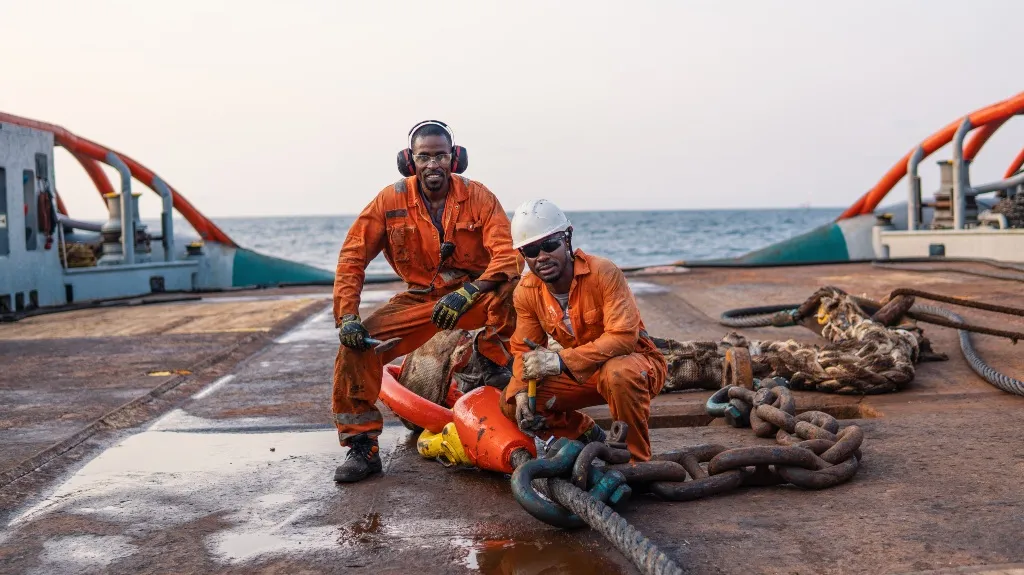
If you work as a dredge deckhand, you have a difficult and often dangerous job. You’re dealing with unpredictable weather, heavy machinery, and the chance of serious injuries. When you are injured, the rights you have very much depend on whether you qualify as a “seaman” under the Jones Act. This will determine so much about how your case can proceed.
At Griffin Law Group, LLC, our dedicated Texas personal injury attorneys know how to help. We help you determine your legal status and which laws govern your injury case. Schedule a consultation to learn more.
Why Seaman Status Matters
Seaman status is not just a label. It is the gateway to powerful federal protections under the Jones Act and general maritime law. If you qualify as a seaman, you gain access to:
- Jones Act negligence claims
- Maintenance and cure benefits
- Unseaworthiness claims
- Full compensation for lost wages, medical care, pain and suffering, and future losses
If you do not qualify as a seaman, your case falls under different laws. This often includes state workers’ compensation or the Longshore and Harbor Workers’ Compensation Act (LHWCA). These systems provide far more limited benefits.
For dredge workers, the line between seaman and non-seaman can be surprisingly complex. That’s why this determination shapes your entire case.
How Seaman Status Is Defined
Under federal law, you are a seaman if:
- You contribute to the mission or function of a vessel, and
- You have a substantial connection to that vessel (or fleet of vessels) in terms of both nature and duration.
For dredge deckhands, both elements often apply. Employers sometimes dispute them to limit liability.
Is a Dredge Considered a Vessel?
This is one of the most important questions in your case.
Many dredges qualify as vessels because they:
- Operate on navigable waters
- Are capable of movement
- Perform essential maritime functions
- Transport crew and equipment
- Navigate rivers, channels, or coastal areas
Courts have repeatedly held that dredges, whether cutterhead, clamshell, or hopper dredges, are vessels for Jones Act purposes. If you work aboard one, you likely meet the first requirement for seaman status.
Do You Have a Substantial Connection to the Dredge?
To qualify as a seaman, you must spend a significant portion of your work time on the dredge or its support vessels. The general rule is:
- At least 30% of your work time must be spent aboard a vessel in navigation.
Most dredge deckhands easily meet this threshold because they:
- Work full shifts aboard the dredge
- Assist with anchor handling, pipe operations, and deck maintenance
- Travel with the dredge as it moves along waterways
- Perform duties essential to dredging operations
If your job keeps you on or around the dredge daily, you likely meet the second requirement.
Why Employers Challenge Seaman Status
Seaman status exposes employers to significant liability. Under the Jones Act, injured seamen can recover:
- Full lost wages
- Future earning capacity
- Medical expenses
- Pain and suffering
- Disfigurement
- Loss of enjoyment of life
These damages are far greater than what workers’ compensation or LHWCA benefits provide. Because of this, employers sometimes argue:
- The dredge is not a vessel
- You did not spend enough time aboard the dredge
- You were a land-based worker
- You were assigned to multiple projects, not a single vessel
These arguments are often weak, but they can delay or reduce your recovery if not addressed immediately.
Benefits You Receive as a Seaman
If you qualify as a seaman, you gain access to two powerful protections:
1. Jones Act Negligence Claims
You can sue your employer if unsafe conditions contributed to your injury, including:
- Faulty equipment
- Unsafe deck conditions
- Inadequate crew training
- Poor supervision
- Failure to follow safety procedures
Even slight negligence can result in full compensation.
2. Maintenance and Cure
This includes:
- Maintenance: Daily living expenses while you recover
- Cure: All reasonable medical treatment until you reach maximum medical improvement
These benefits are owed regardless of fault.
3. Unseaworthiness Claims
If the dredge, its equipment, or its crew were not reasonably fit for duty, you may recover additional damages.
Work with a Dedicated Jones Act Attorney in Texas for Help With Your Case
If you are a dredge deckhand, your injuries likely qualify under the Jones Act. That determination is critical to how your case will proceed. Regardless, our personal injury lawyers are ready to help you.
Consult a Texas personal injury attorney at Griffin Law Group, LLC for help. Contact us today for a consultation of your case.