
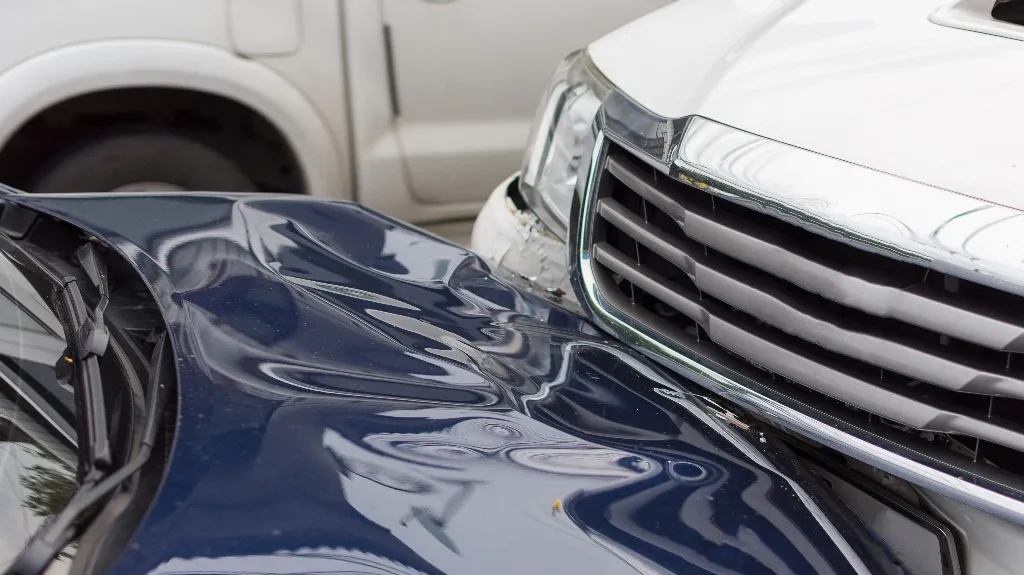
Car accidents are very common, but two of the most common types are intersection crashes and rear-end collisions. Both can result in severe injuries for the driver and any passengers. If you were involved in one of these accidents because of someone else’s negligence, you could be owed substantial monetary damages. A personal injury lawsuit in Texas helps you fight for the compensation you deserve.
At Griffin Law Group, LLC, our dedicated Texas car accident lawyer is ready to fight for you. Get started with a consultation to learn how he can help.
How Fault Is Determined in Rear-End Collisions
Rear-end collisions are very common unfortunately. Too many people are not paying attention and slam into the back of other cars. Most of the time, the rear driver is the one at fault, but not automatically. Fault and negligence will be based on how each driver acted under the circumstances.
Why the Rear Driver Is Usually at Fault
In most cases, the rear driver is responsible because Texas law requires motorists to:
- Keep a safe distance between cars
- Be aware of traffic conditions
- Understand how the weather affects braking
- Control their speed
- Brake in time to avoid a collision
- Not be distracted behind the wheel
When the Front Driver May Share Fault
There are situations where the front driver may be partially or fully responsible, including:
- Sudden, unnecessary braking
- Reversing into another vehicle
- Having broken brake lights
- Cutting off another driver
- Stopping abruptly without cause
In these cases, fault will be more dependent on the circumstances.
Key Evidence in Rear-End Crash Claims
Strong evidence can help establish liability, such as:
- Dashcam footage
- Skid marks and vehicle damage patterns
- Cell phone records showing distraction
- Witness statements
- Traffic camera footage
How Fault Is Determined in Intersection Accidents
Crashes at an intersection can be more complex. They involve multiple directions of travel and traffic signals. They usually often involve disputed testimony by the parties about whether the light was changing, who ran a stop sign, or other similar arguments.
These accidents frequently occur when a driver:
- Runs a red light
- Fails to yield
- Makes an unsafe left turn
- Ignores a stop sign
- Speeds through a yellow light
Right-of-Way Rules Matter
Texas right-of-way laws play a major role in determining fault. For example:
- A driver turning left must yield to oncoming traffic.
- Drivers must stop at red lights and stop signs.
- The first driver to arrive at a four-way stop has the right of way.
- Pedestrians in crosswalks must be given priority.
If a driver violates these rules, they are typically found at fault.
Critical Evidence in Intersection Cases
Because these crashes are more complex, evidence is especially important. Useful documentation includes:
- Traffic light sequencing data
- Surveillance or red-light camera footage
- Vehicle black box data
- Accident reconstruction analysis
- Eyewitness testimony
- Photos of vehicle positions and debris patterns
The more evidence available, the easier it becomes to establish which driver violated traffic laws.
Why Fault Matters for Your Texas Injury Claim

Determining fault affects every part of a personal injury case, including:
- Who pays for medical bills
- Whether you qualify for lost wages
- How much compensation you receive for pain and suffering
- Whether the insurer can reduce your claim by alleging partial fault
Because Texas uses modified comparative negligence, even a small percentage of assigned fault can significantly reduce your recovery.
Work With a Texas Car Accident Attorney To Seek the Compensation You Are Owed
A rear-end collision or intersection collision can do a great deal of damage. The financial and emotional costs after the accident are both high. You deserve compensation for what you have been through.
Consult a Texas car accident lawyer at Griffin Law Group, LLC for help. Contact us today for a consultation of your case.